QIN
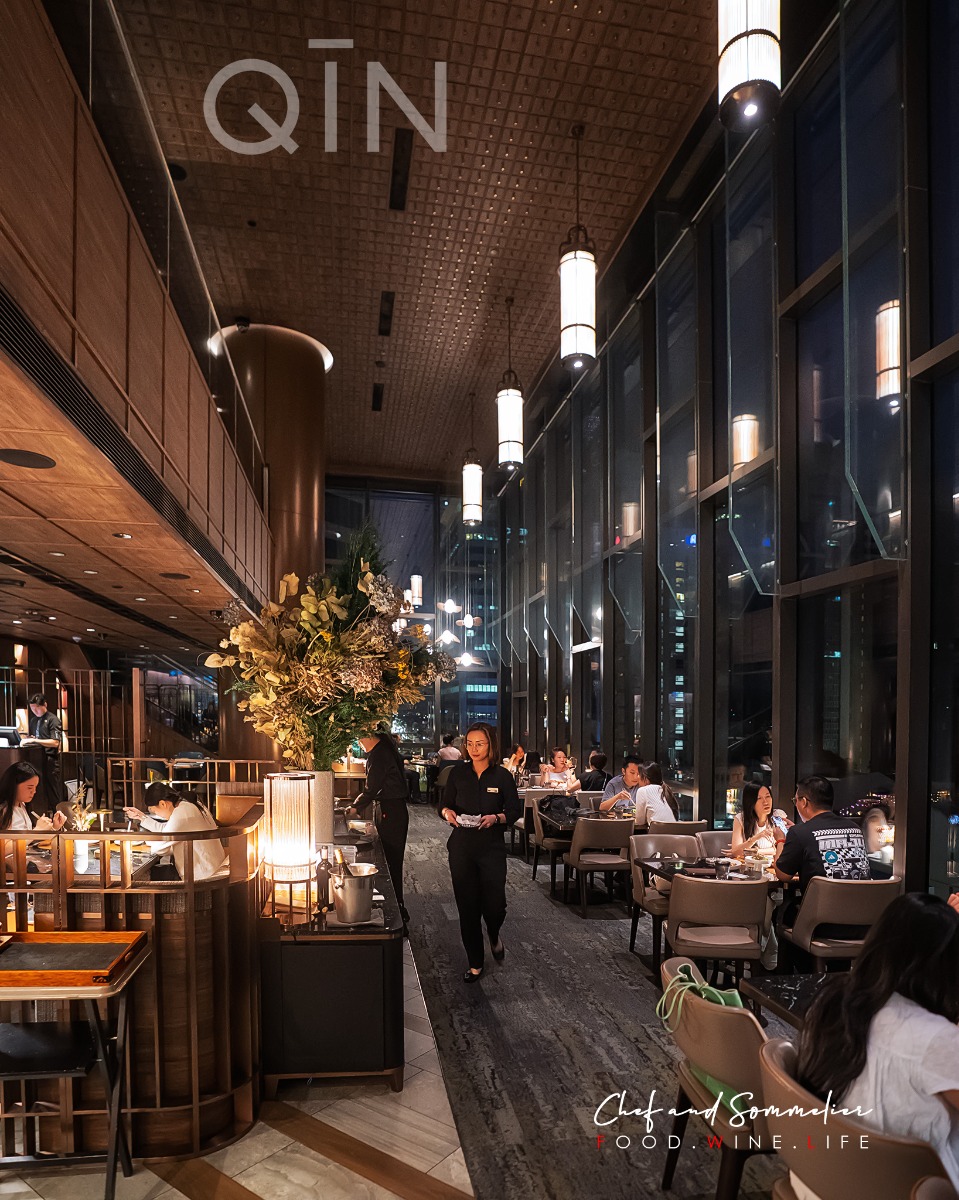
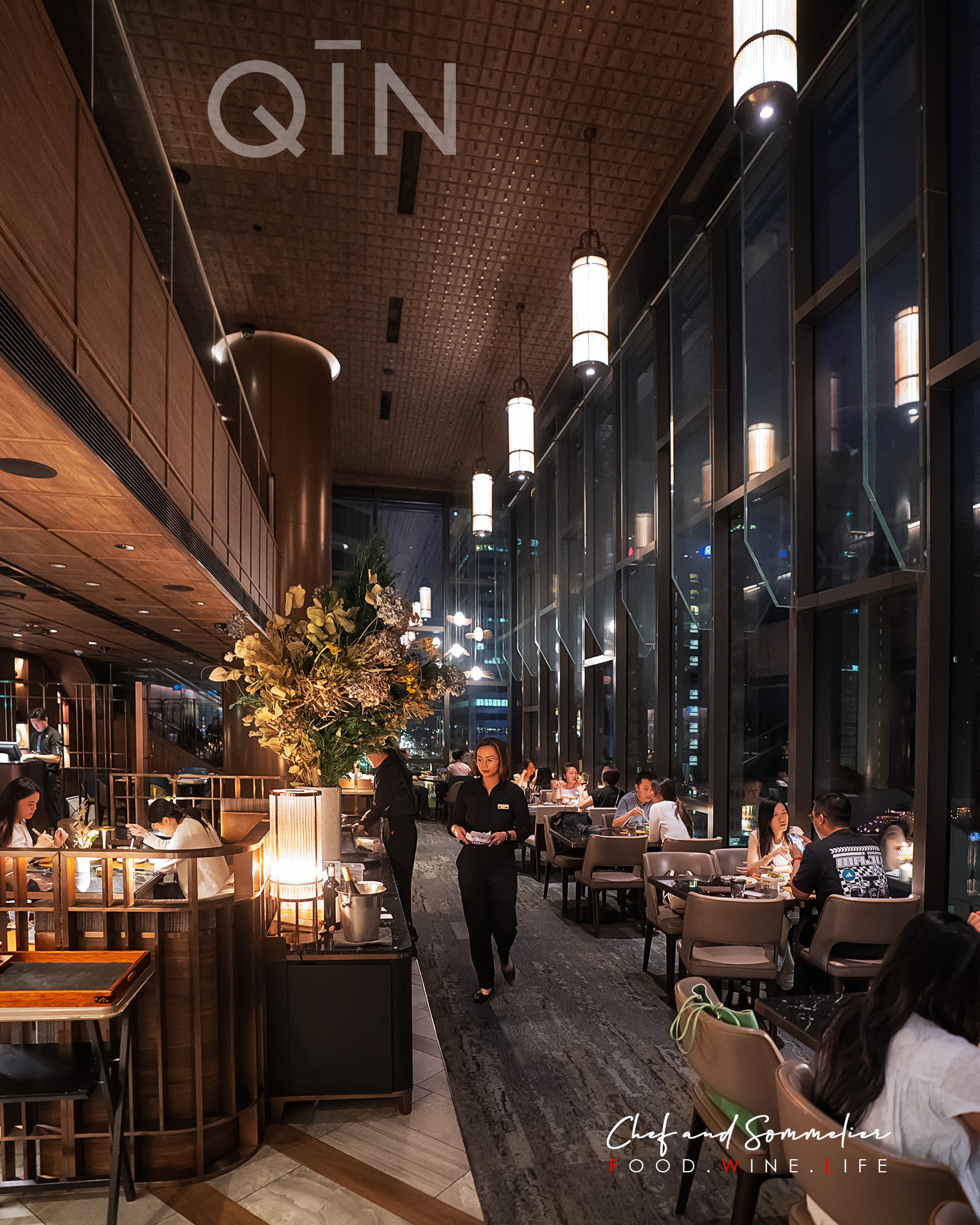
QIN was one of those dinners where the setting made an impression before the food even arrived. High ceilings, full height windows and the lights from the vibrant streets below gave the dining room a rather grand feel.
There was a small hiccup at the start. My wife had gone down earlier to reconfirm the booking and was promised a table with a good view, but we were initially shown to one without. Thankfully, the team recovered the situation quickly and service for the rest of the evening was attentive and warm.
Food at QIN is modern Chinese in spirit, using Western and French techniques while keeping familiar Asian flavours at the heart of each dish.
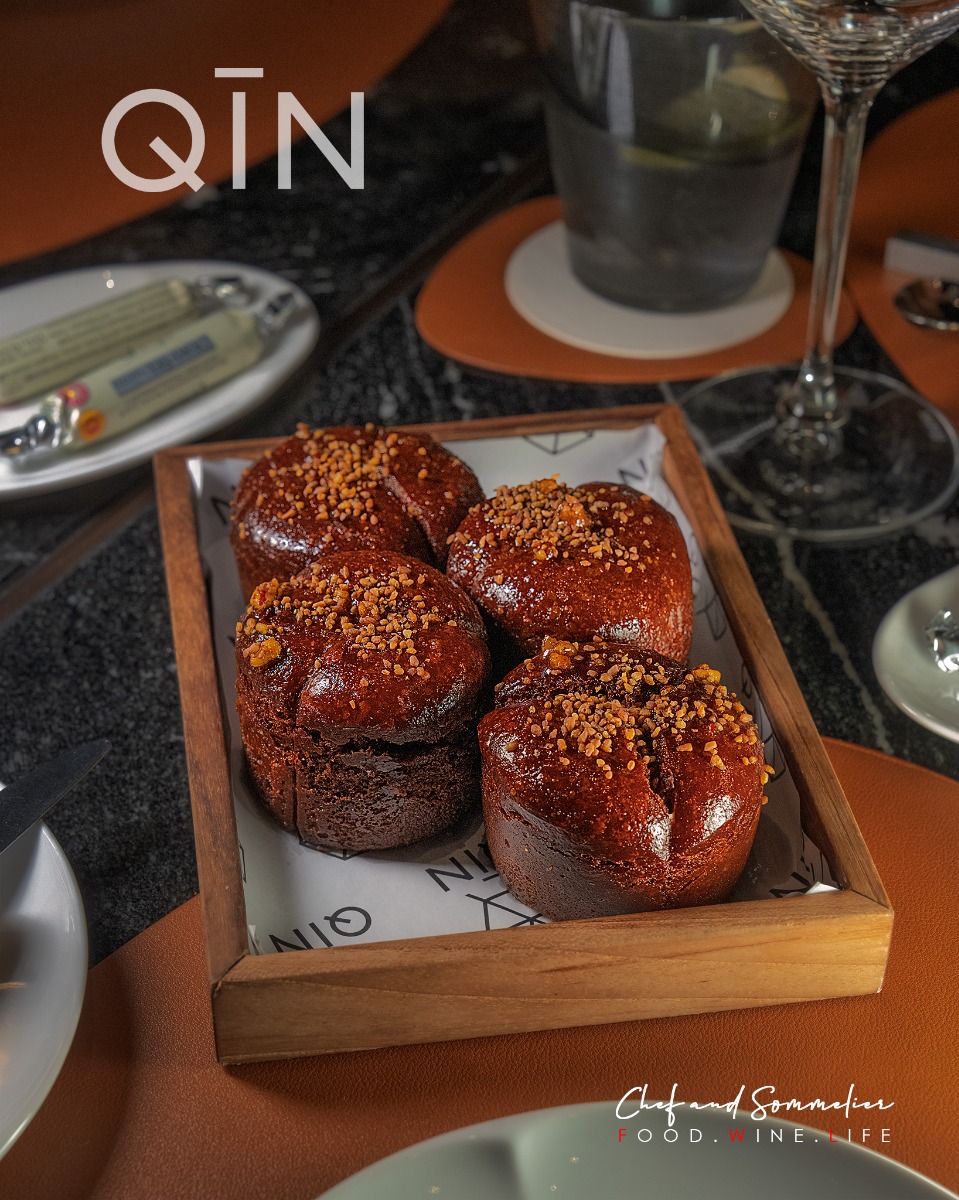
The meal opened with four small bites. The Prosperity “Mantou” was one that really impressed. Despite the name, it was Chef’s modern interpretation of 马来糕, warm, soft and fluffy, brushed with layers of red date honey and served with cold French butter. Simple, comforting and a lovely first taste of QIN’s East meets West philosophy.
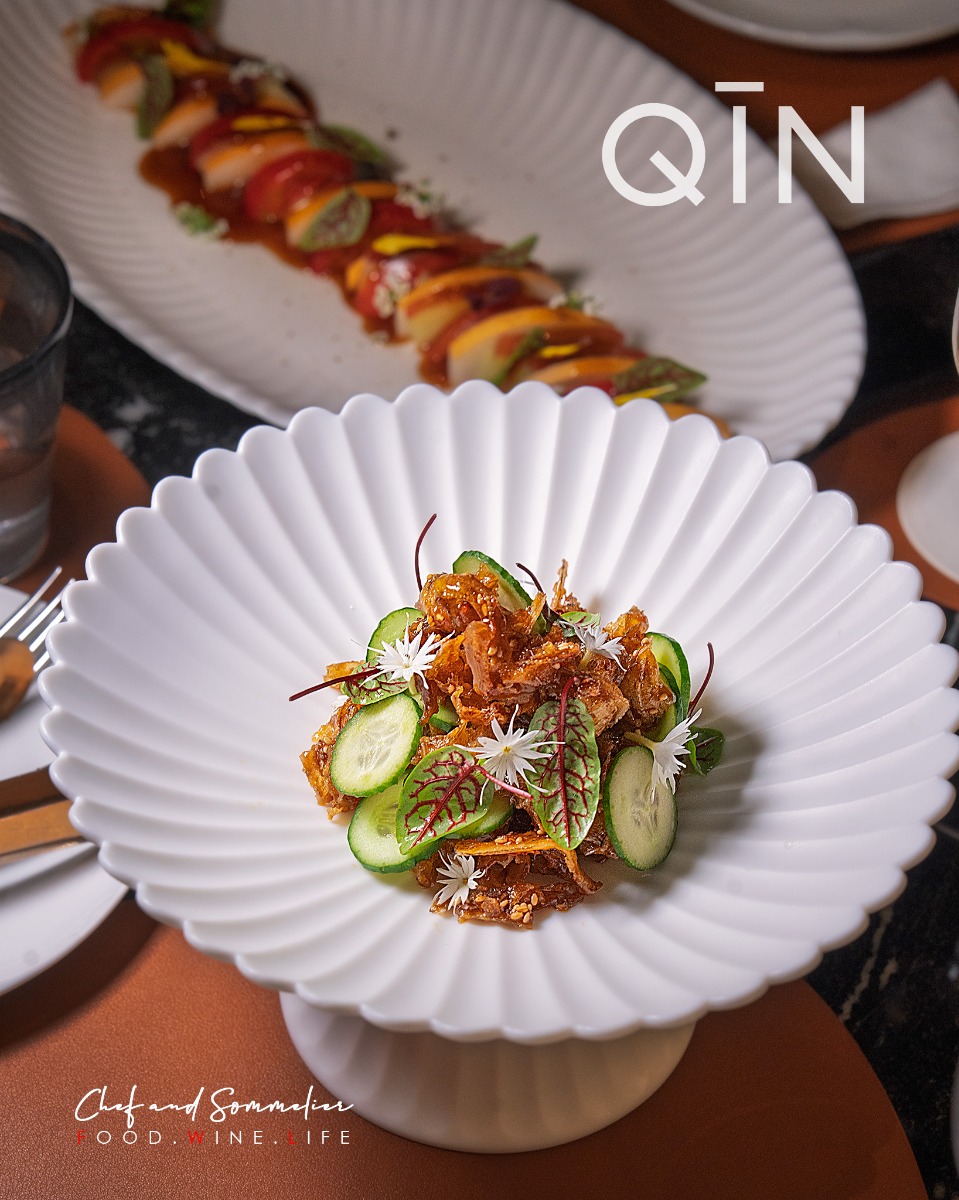
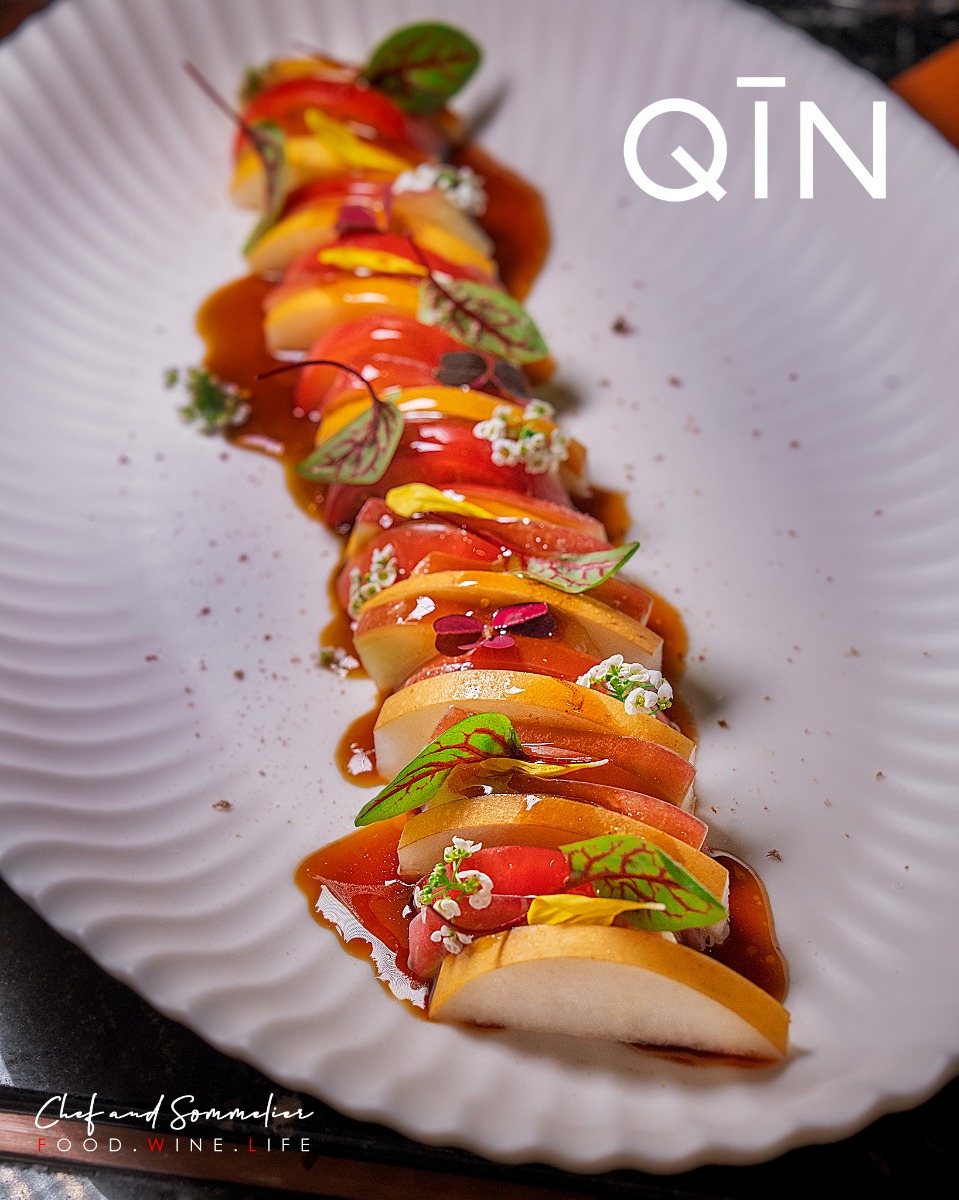
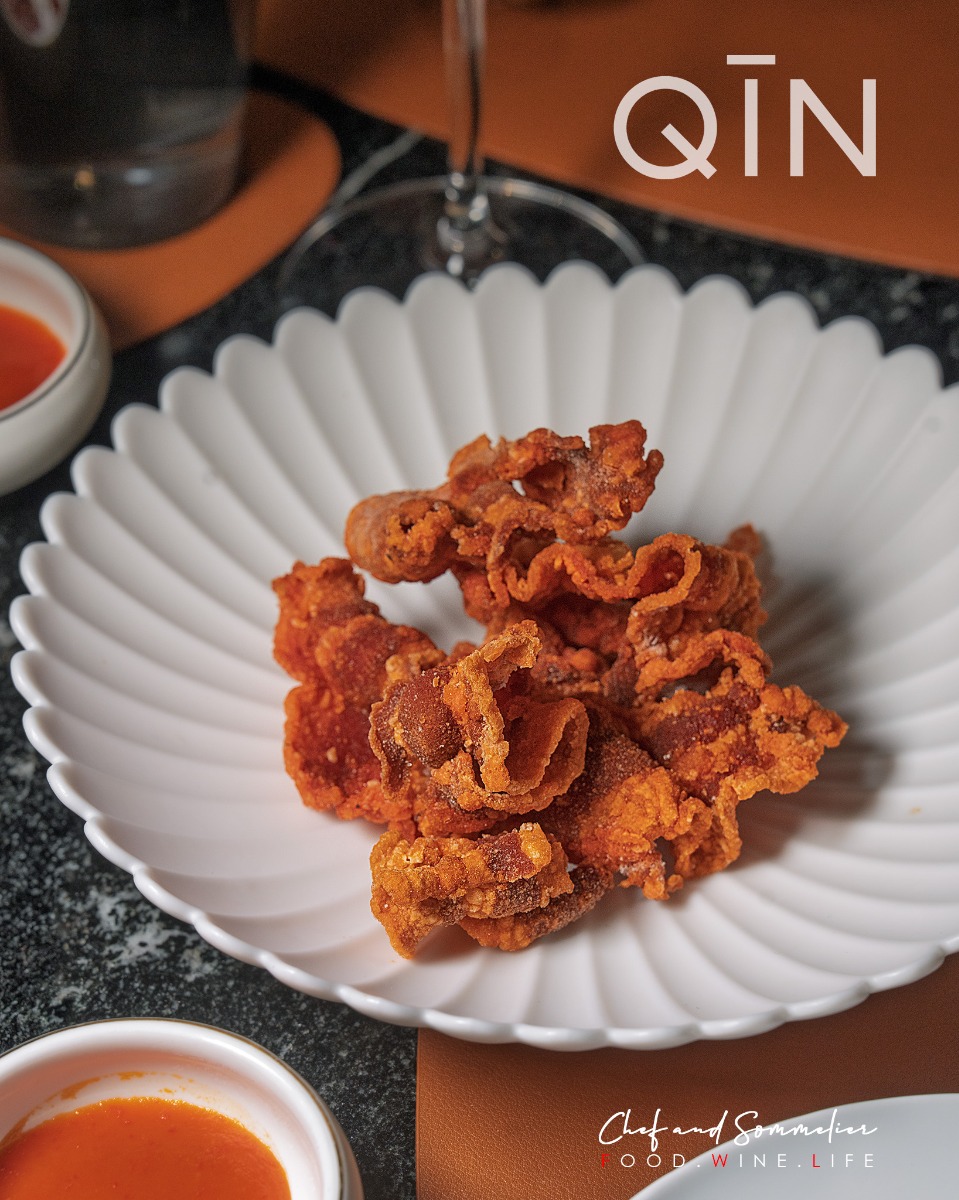
The Hokkaido Snow Pork Belly was another addictive starter, thinly sliced and marinated with fermented prawn paste and Hua Tiao wine. Salty, savoury and full of umami, it was dangerously easy to keep eating. The Caramelised Mermaid Fish and refreshing Japanese Amela Fruit Tomato completed the opening quartet nicely.
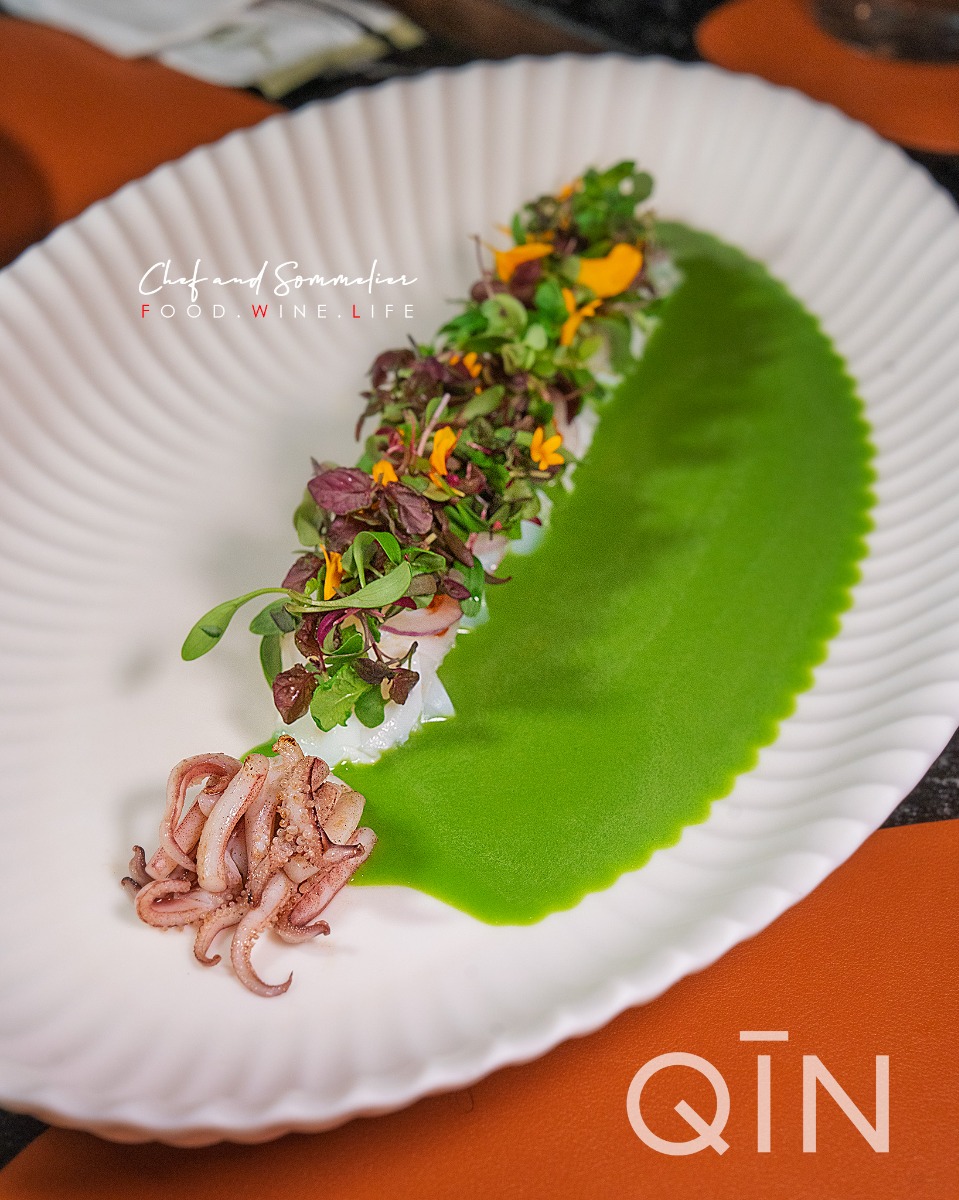
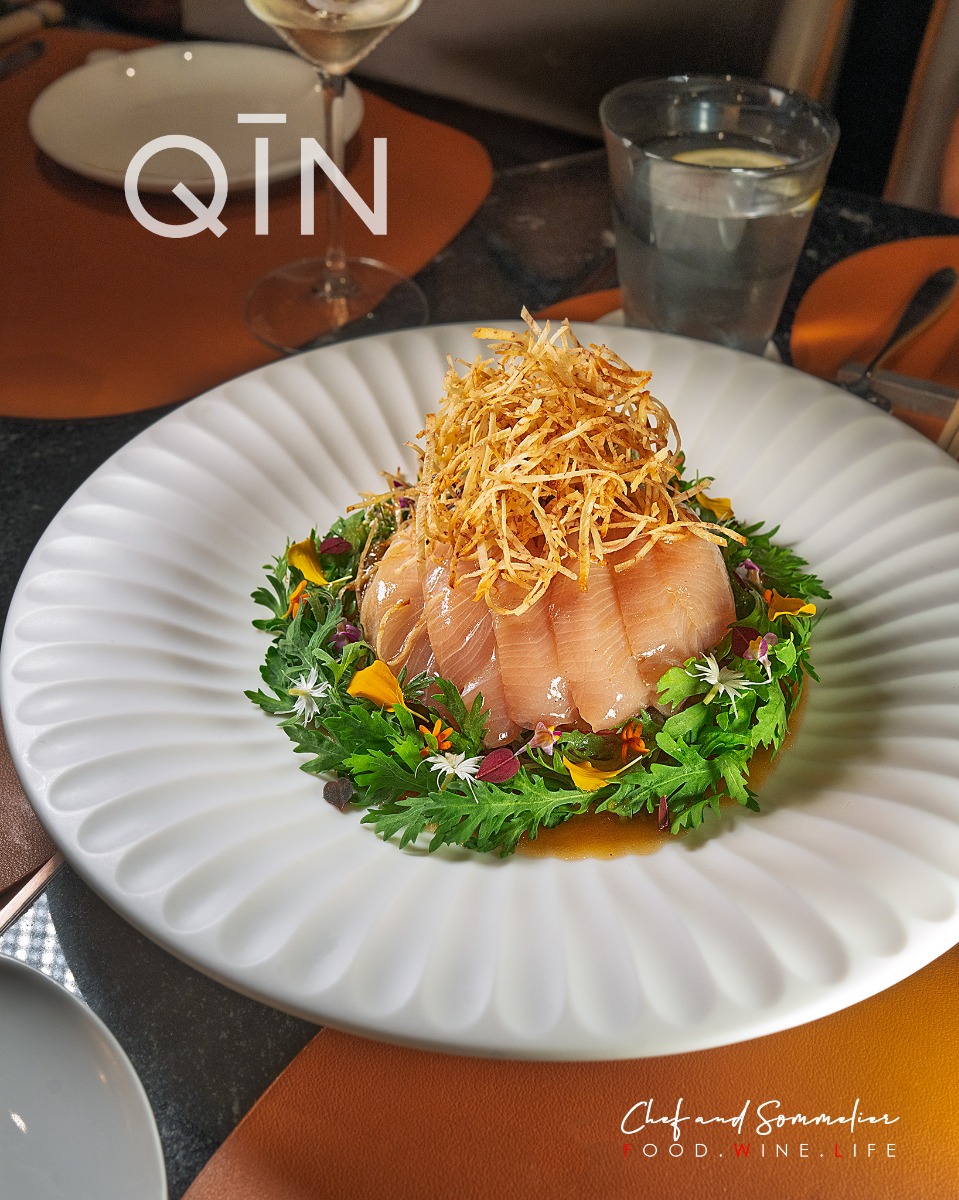
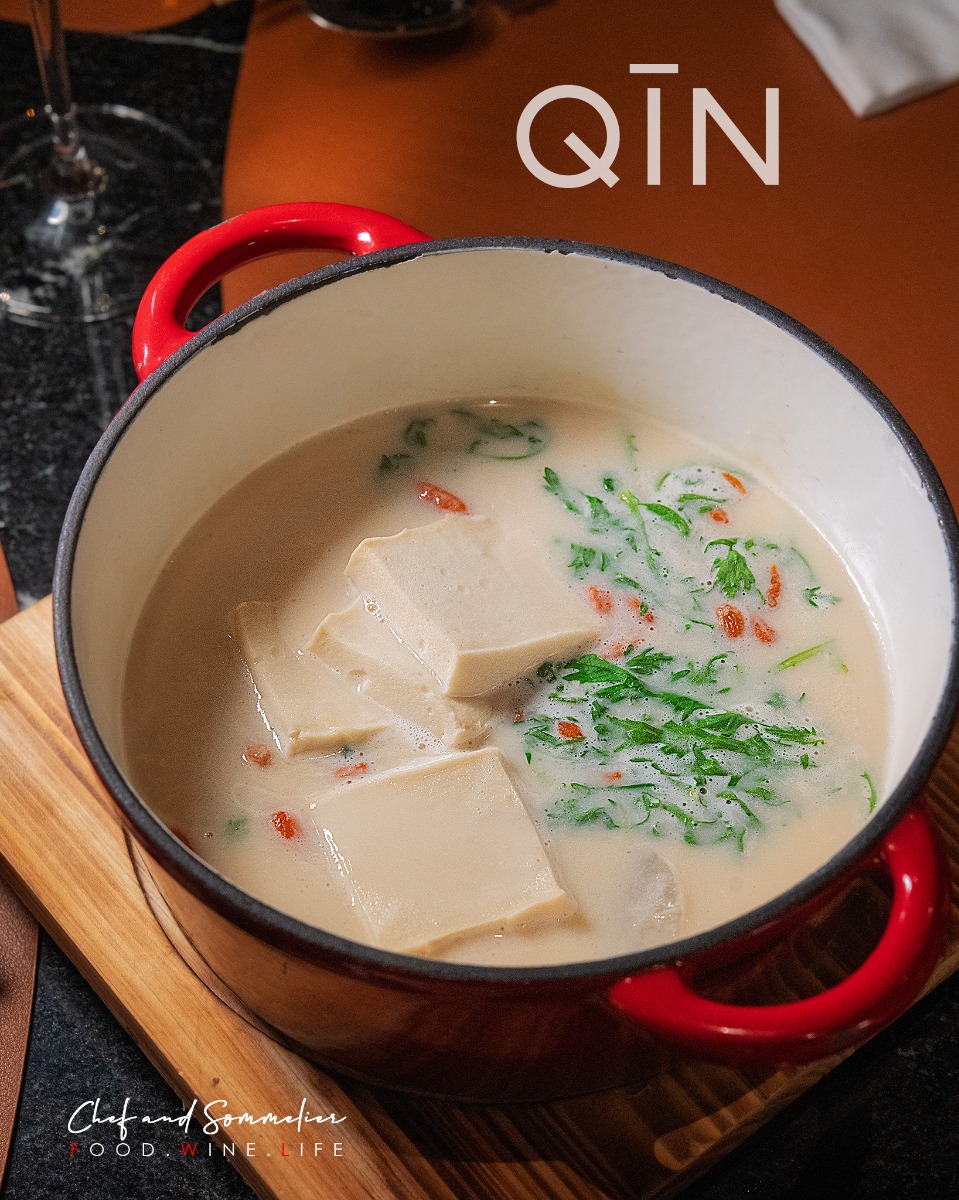
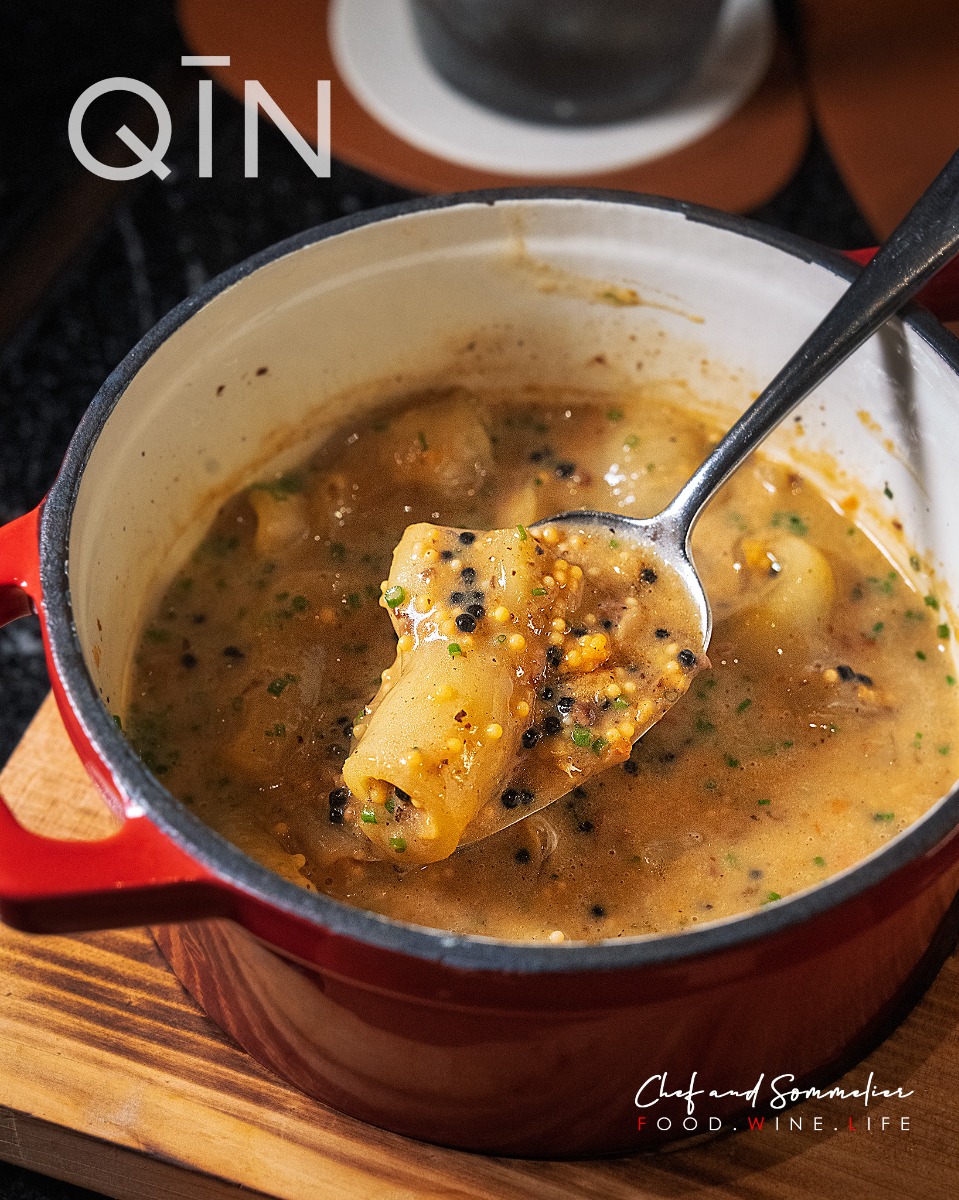
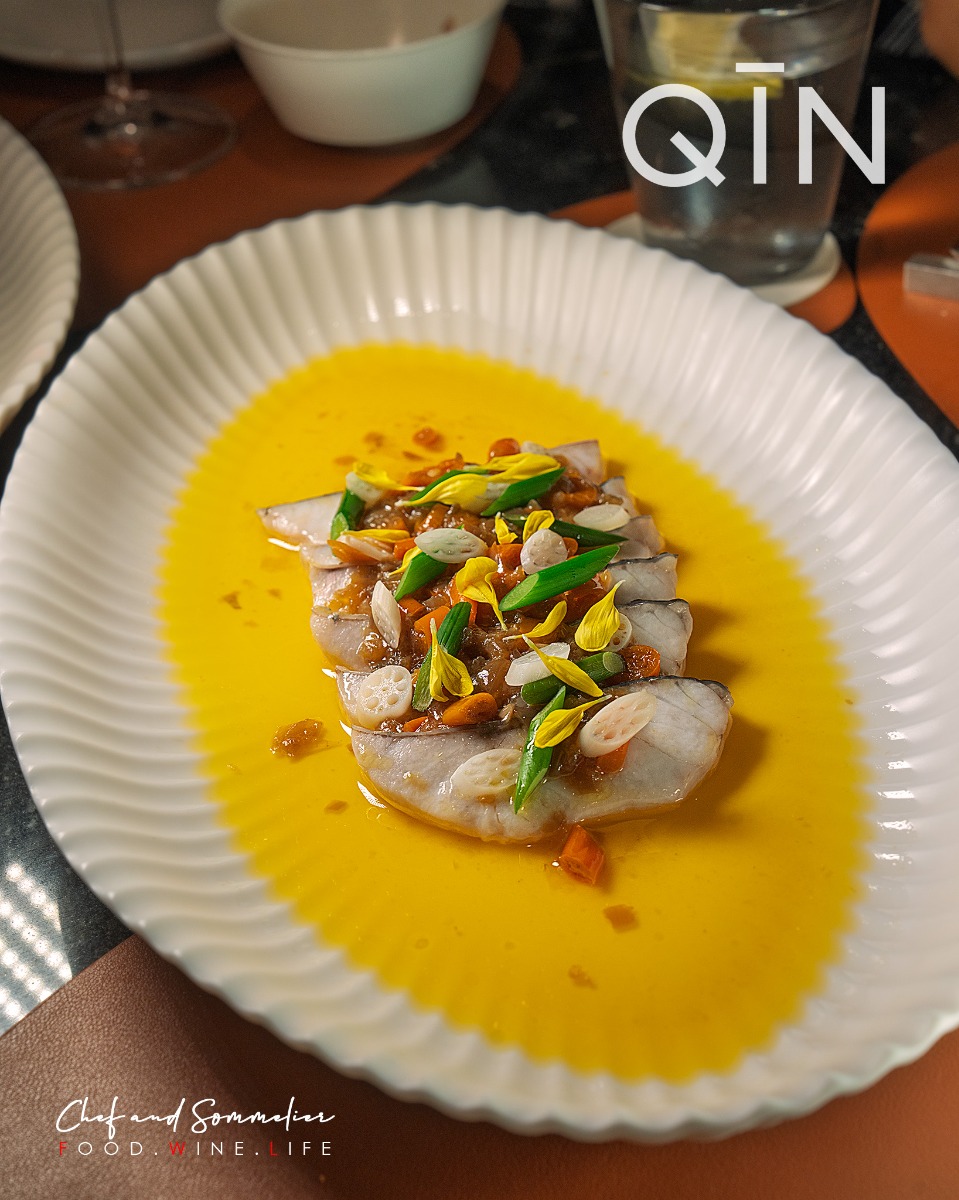
The signature appetisers continued strongly. The Kagoshima Hamachi “Lao Sheng” was bright and refreshing with yuzu white soy and pickles, while the Shiro Ika “Bai Zhuo” squid came with ginger scallion purée, ulam salad and ikura. The Deep Sea Fish Maw was perhaps the clearest expression of East meets West, pairing fish maw with fermented black bean beurre blanc and caviar. Rich and luxurious. The Iberico Pork Spareribs “Mei Ren Guo” brought things back to more comforting territory with soy collagen, ginseng, daikon and tofu.
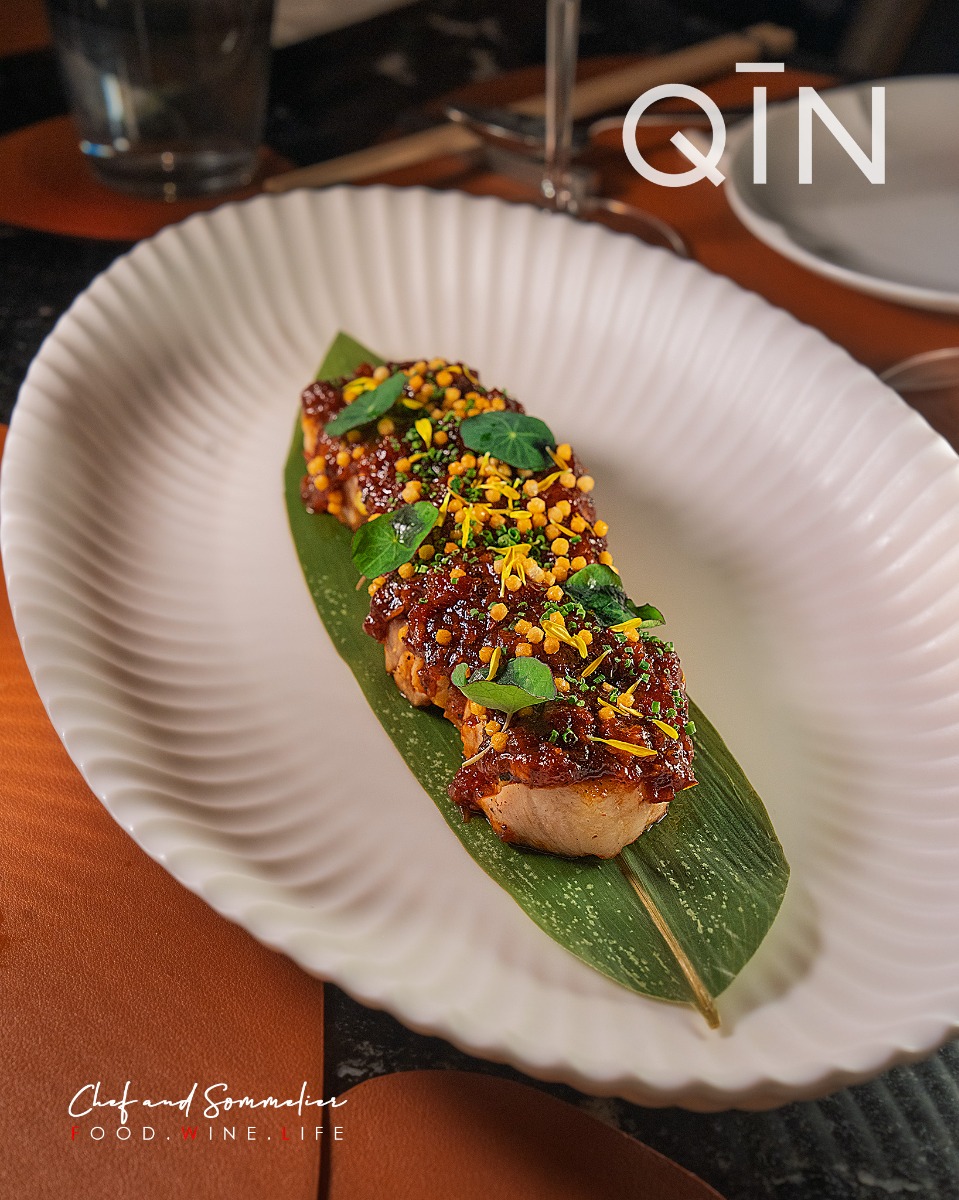
For me, the meal peaked around the starters and appetisers. The mains, while competently executed, did not leave quite the same impression. We tried both the wild caught threadfin with yellow chilli ragu and the Spanish Iberico pork rack with black pepper jam, but neither had quite the same excitement or memorable contrast as the earlier dishes.
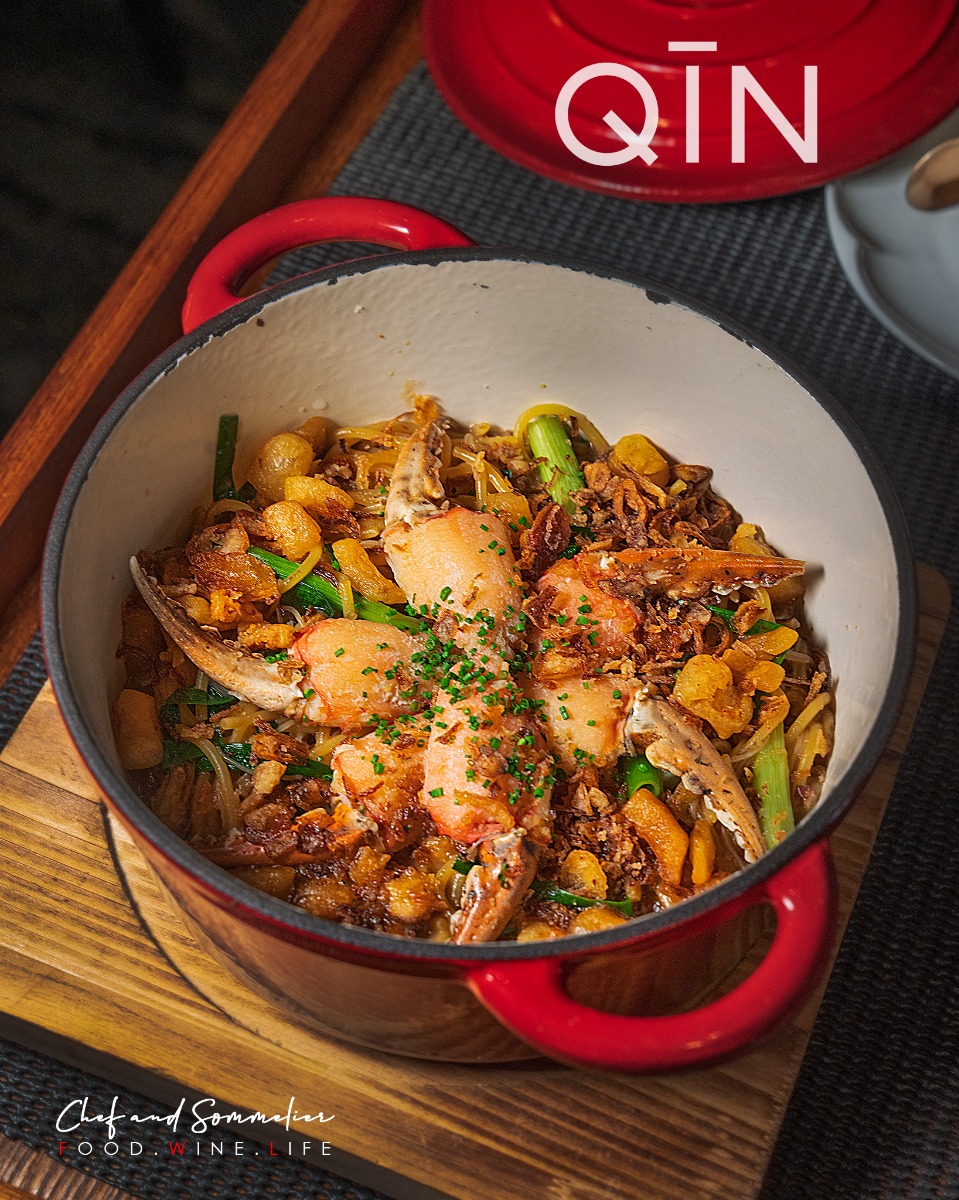
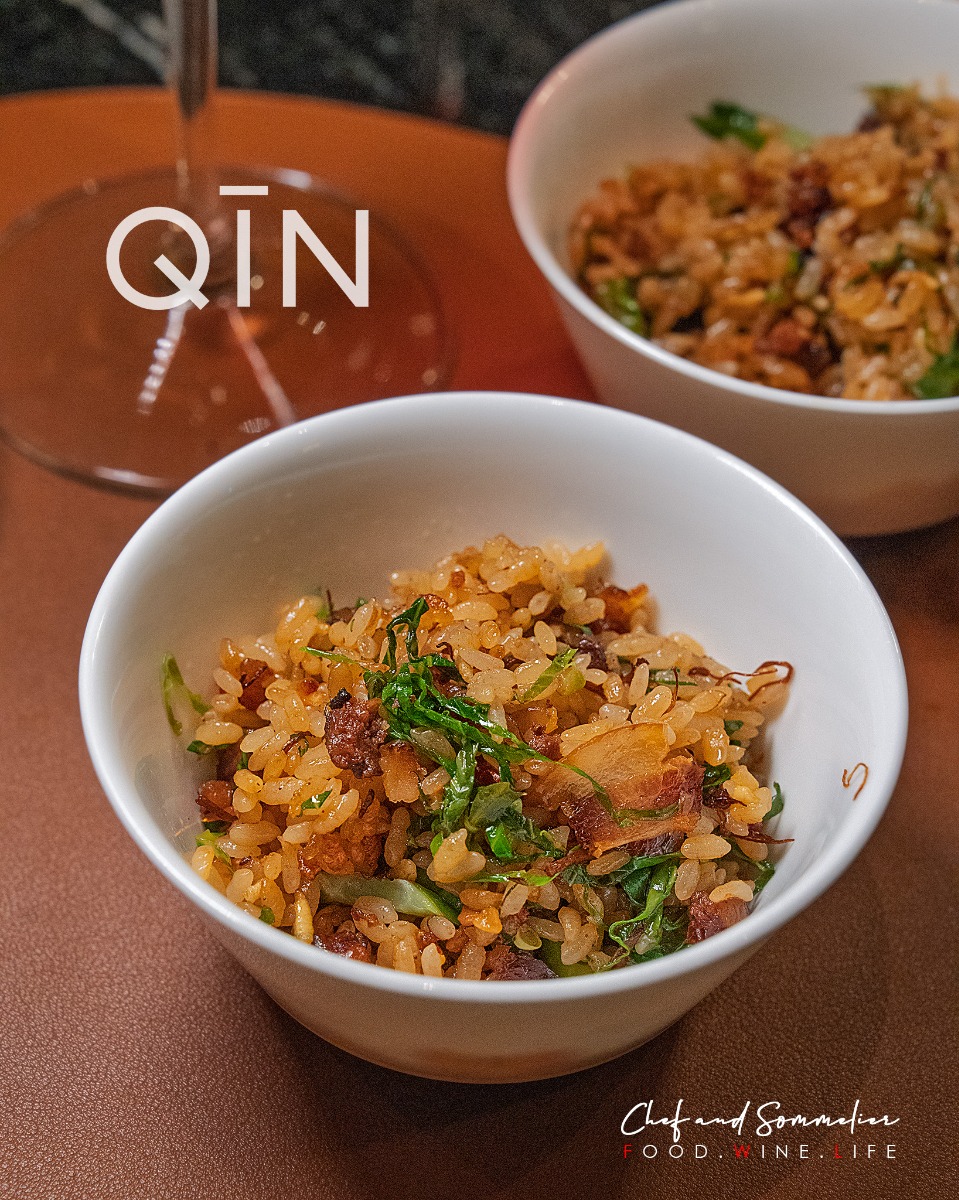
The La Rou “Donabe”, liver sausage, lardo, XO sauce and waxed pork belly cooked with Japanese pearl rice, tasted like a polished version of claypot rice. Smoky, savoury and comforting.
We finished with all three desserts. Qin “Tang”, with peach gum, red date and grass jelly sorbet, was light, refreshing and importantly, not too sweet. Nai “Cha” was more playful, tasting almost like a refined bubble milk tea, topped with a thick creamy foam and toasted buckwheat for a nutty crunch. The coconut coated “Ma Shu” rounded things off with its soft, chewy texture. A pleasant and restrained finish to a rather substantial meal.
Overall, an enjoyable evening with impressive ambience, thoughtful cooking and dishes that were modern without losing their Chinese roots. East meets West works best when you can still taste where East came from.